Source Baby Safety Bed Rail for Home, Travel, and Nursery
Explore 30 verified baby safety bed rail options from Chinese manufacturers. Compare materials like washed cotton and steel, check sizes, and review customization services for home nursery protection. Evaluate MOQs, lead times, and OEM capabilities to find the best fit for your business needs.
Key considerations
Products List



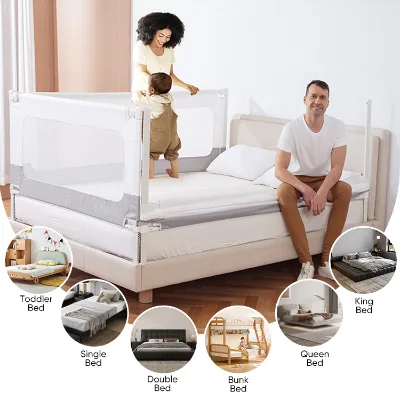
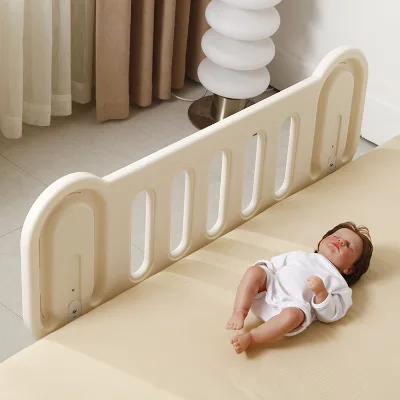
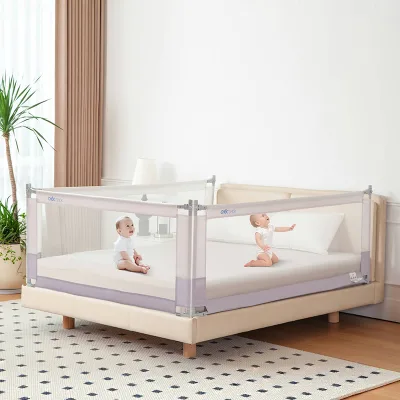
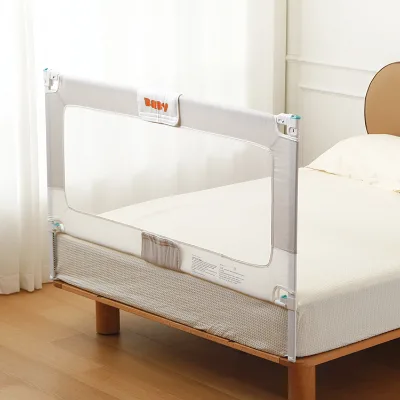
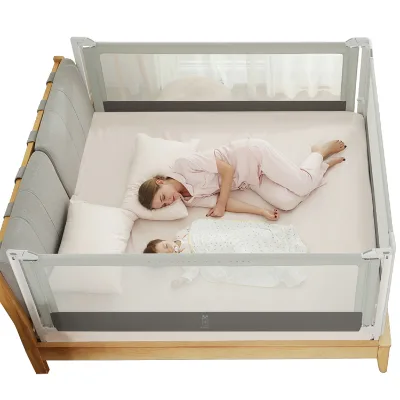
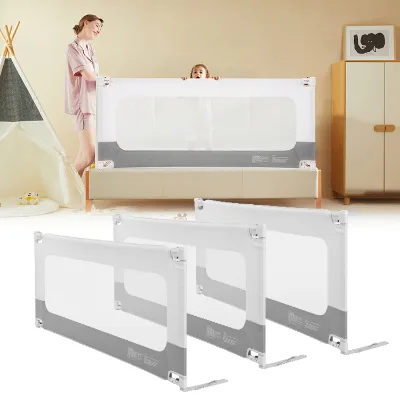
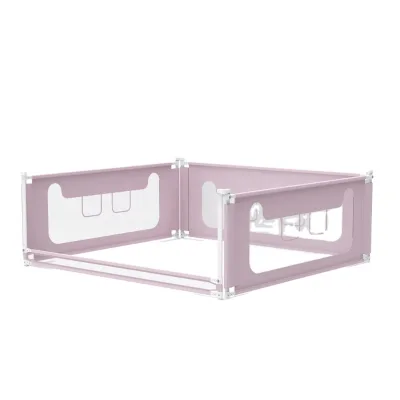
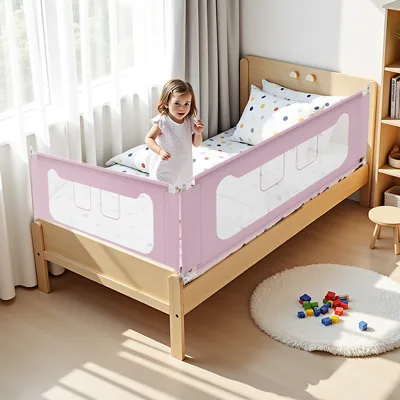


Comprehensive Sourcing Guide
Baby Safety Bed Rail Sourcing Guide
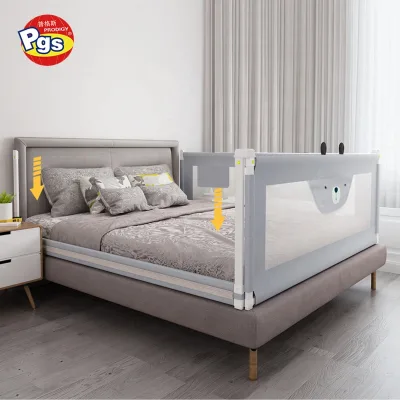
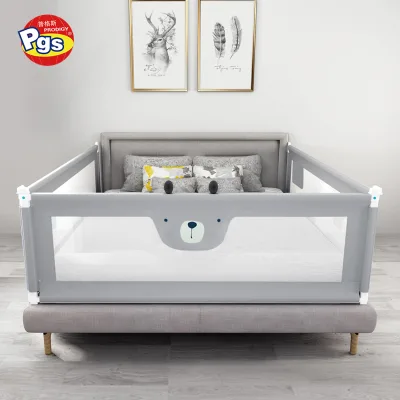
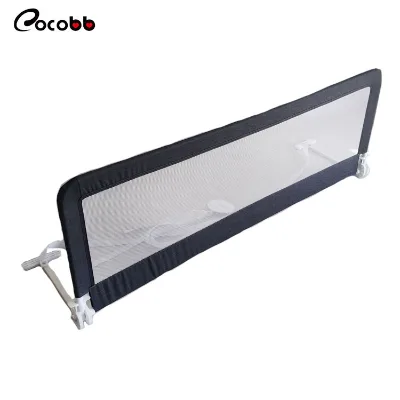
Buyers must first distinguish between the diverse product variations observed in the market, as listings reveal conflicting material compositions ranging from washed cotton and animal patterns to steel frames with 210D polyester. This inconsistency suggests that a single listing may not represent the entire category, requiring procurement teams to verify the specific material composition of the unit they intend to purchase. The observed data indicates options include Oxford fabric with iron powder spraying or solid wood constructions, meaning the final product selection depends heavily on the specific safety and aesthetic requirements of the target household.
Procurement decisions should also account for the significant variance in packaging dimensions and gross weights found across different suppliers, which directly impacts logistics planning and cost estimation. While some units are packaged as single items with dimensions around 64x9x16 cm, others may differ substantially, necessitating a review of the single package size before finalizing shipping contracts. Buyers should prioritize suppliers who clearly define these logistical parameters to avoid unexpected freight charges or storage issues upon delivery to the destination warehouse.
Product Scope and Observed Listing Signals
The core application for these products is strictly defined as preventing babies from falling out of adult beds, with a specific target age range of 6 to 24 months observed in the available data. This narrow demographic focus means that marketing materials and product descriptions must explicitly state the intended age group to ensure compliance with safety expectations and to prevent misuse by older children or adults. The primary function is to provide a secure barrier in a home environment, serving as a critical safety accessory for parents seeking to protect infants during sleep.
Listing signals indicate a strong preference for simple and modern styles, with some variations featuring animal patterns or specific color combinations like grey and white to match nursery aesthetics. Buyers should verify if the product offers customization options for logos or colors, as the data confirms that customized logos and optional cushion colors are available from certain manufacturers. This flexibility allows retailers to align the product with their brand identity, but it requires clear communication with the supplier to ensure the final output matches the agreed-upon design specifications.
Technical Specifications to Verify
Technical verification must begin with the physical dimensions, as observed listings show sizes ranging from 120x47x65 cm to 150x42x55 cm, with some models specifying a length of 1.8 meters. These variations suggest that the rail is not universally adjustable, and buyers must confirm whether the specific model is height-adjustable or fixed to ensure it fits the intended bed frame. The presence of "unadjustable" height features in some records indicates that a one-size-fits-all approach may not be viable, requiring precise measurement of the customer's bed before placing an order.
Material composition is another critical technical parameter, with observed data listing washed cotton, wood, steel, and 210D polyester as potential components. Buyers must request detailed material breakdowns to understand the durability and safety profile of the rail, particularly regarding the structural integrity of the frame and the breathability of the fabric. The inclusion of iron powder spraying and nylon in some descriptions points to a need for corrosion resistance and robust construction, which should be validated through sample inspection before bulk purchasing.
Compliance and Safety Documentation
Safety compliance is paramount for baby products, and buyers should verify that suppliers possess recognized certifications such as ISO9000, ISO14001, and CCC, which are explicitly mentioned in the product data. These certifications indicate a baseline commitment to quality management and environmental standards, but they do not automatically guarantee compliance with specific regional safety regulations for children's furniture. Procurement teams must ensure that the supplier can provide test reports relevant to the destination market, as the observed data does not confirm adherence to standards like EN 716.
Documentation requirements should extend beyond general certifications to include specific safety test results for the materials used, such as the steel frame and polyester fabric. Buyers must confirm that the product is in new condition and has undergone rigorous testing to ensure it meets the functional requirement of preventing baby safety incidents. The absence of explicit test data in the provided facts means that requesting third-party laboratory reports is a necessary step to mitigate liability and ensure the product is safe for infants aged 6 to 24 months.
Cost Drivers and Commercial Terms
Cost structures are heavily influenced by the minimum order quantity, which is observed to be as high as 1000 sets for certain listings, creating a significant barrier for small-scale buyers. This high MOQ requirement suggests that the product is primarily targeted at established distributors or large retailers who can absorb the initial inventory investment. Buyers with lower volume needs must negotiate with suppliers to determine if the MOQ is flexible or if they must consolidate orders with other buyers to meet the threshold.
Pricing and lead times are further complicated by the availability of customization services, which often incur additional costs and extended production schedules. The data indicates a sample time of 7 to 10 days, but the final production lead time for customized orders may vary significantly depending on the complexity of the design and the supplier's current capacity. Buyers should clarify the total supply ability, which is listed as 100,000 pieces per month, to ensure the supplier can meet demand spikes without compromising quality or delivery schedules.
Supplier Qualification and Quality Control
Supplier qualification should focus on verifying the place of origin, as the data lists multiple locations including Shandong and Fujian in China, which may imply different manufacturing capabilities and quality control standards. Buyers must assess whether the supplier has a consistent track record of producing high-quality baby safety rails and whether they offer OEM and ODM services that align with the buyer's brand requirements. The presence of multiple origin points suggests a competitive market, but it also necessitates careful vetting to ensure the selected partner maintains consistent quality across different production batches.
Quality control protocols must include a rigorous inspection of the product's disassembly status, as the data indicates the rail is generally undisassembly, which affects shipping and assembly requirements. Buyers should verify that the product arrives in a box with a single gross weight of approximately 2.813 kg, ensuring that the packaging is robust enough to protect the rail during transit. Additionally, the supplier should provide clear instructions for assembly and usage to ensure the product functions correctly as a safety barrier in the home environment.
Long-Term Procurement Checks
Long-term procurement success depends on establishing a reliable supply chain that can consistently deliver products meeting the specified age range and safety functions. Buyers should monitor the supplier's ability to maintain the "Everyday" usage classification and ensure that the product remains suitable for continuous use in a household setting without degradation. Regular audits of the production process and material sourcing are essential to prevent quality drift, especially given the critical nature of the product for infant safety.
Continuous communication regarding customization availability and design updates is vital for maintaining a competitive edge in the market. Buyers should work closely with suppliers to explore new color options, such as green cushions, and to refine the simple or Chinese styles to match evolving consumer preferences. By maintaining a proactive relationship with the supplier, buyers can ensure that the product line remains relevant and that any necessary adjustments to specifications or packaging are implemented efficiently.
FAQs
What materials are used in baby safety bed rails?
Manufacturers typically use washed cotton, Oxford fabric, nylon, and iron powder spraying for these rails. Some models incorporate wood or steel with polyester for durability. These materials ensure the product is water resistant and safe for infants aged 6 to 24 months while maintaining a simple style suitable for home use.
Can I customize the logo on baby safety bed rails?
Yes, customization is available for most baby safety bed rail orders. Buyers can request customized logos and specific cushion colors like green or optional shades. This service supports OEM and ODM requirements, allowing brands to tailor the appearance of the grey and white products to match their specific market identity and packaging needs.
What is the typical MOQ for baby safety bed rails?
The minimum order quantity is generally set at 1000 sets for standard production runs. However, some suppliers may accept lower quantities starting from one unit for samples. Buyers should verify specific MOQ requirements with manufacturers, as these thresholds can vary based on customization levels, material choices, and the specific model number selected for the order.
How long is the sample time for baby safety bed rails?
The sample preparation time typically ranges from 7 to 10 days. This period allows manufacturers to produce and ship prototypes for quality verification before bulk production begins. Buyers should account for this lead time when planning their sourcing schedule, especially if they require specific certifications or custom packaging for the final household product delivery.
What certifications do baby safety bed rails usually have?
Products often carry ISO9000, ISO14001, and CCC certifications to ensure quality and safety standards. These credentials indicate that the manufacturing process meets international requirements for household sundries. Buyers should request valid certification documents from suppliers to verify compliance, ensuring the baby bed guard rails are safe for use in homes and meet regulatory expectations for infant products.
Where are baby safety bed rails typically manufactured?
These products are primarily manufactured in China, with origins in regions like Shandong and Fujian. Factories in these areas specialize in producing household furniture and baby care items. Buyers sourcing from these locations can access a wide variety of styles, from simple modern designs to Chinese style options, ensuring competitive pricing and reliable supply chain logistics for global distribution.